
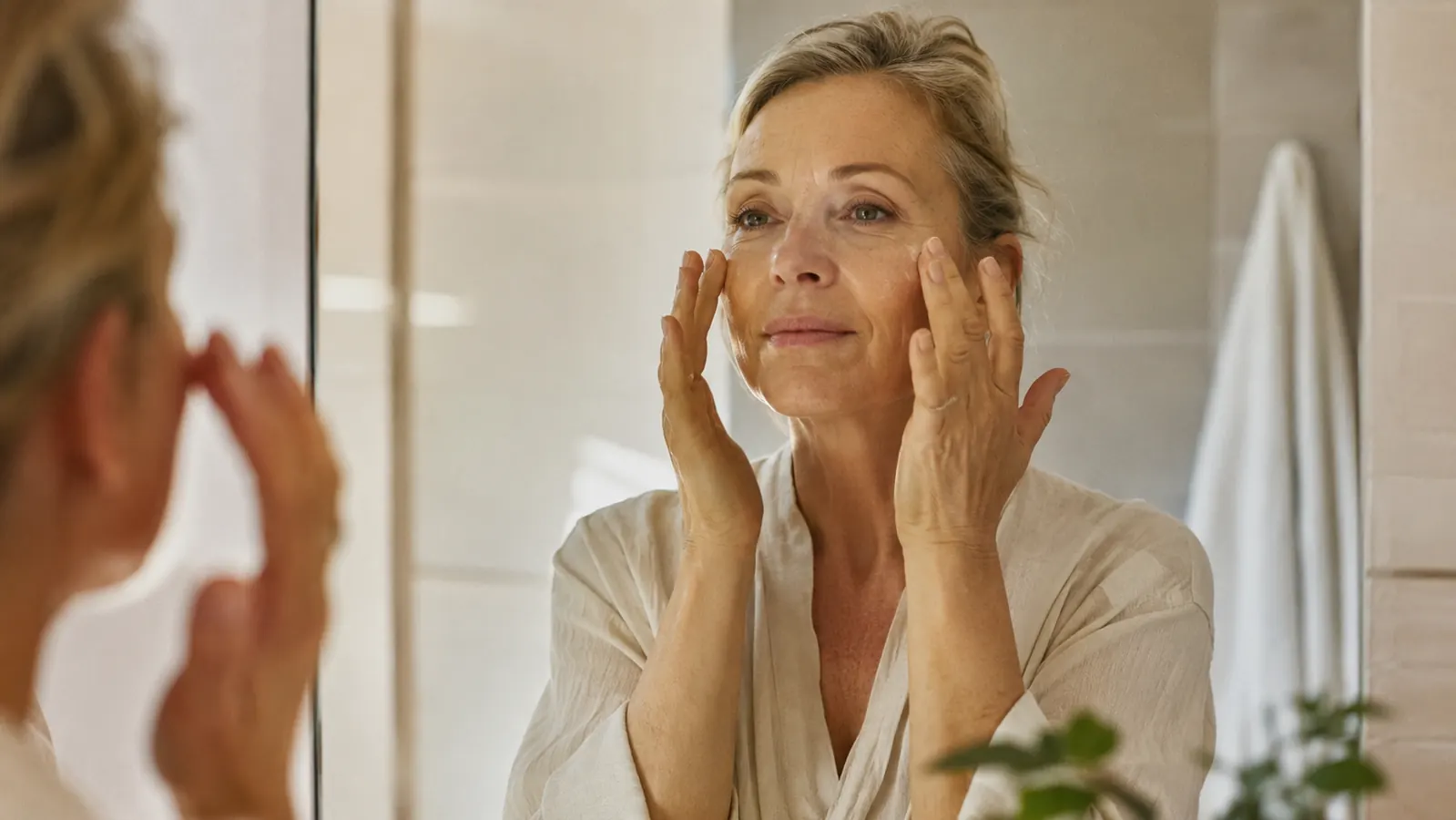
I ran my first tube of CeraVe Hydrating Mineral Sunscreen SPF 30 dry in April. That was six months and two more tubes ago. I'm 51, I ran a salon in Peachtree City, Georgia for almost 25 years, and I have looked at more mature skin up close than most dermatologists see in a month. So when I tell you a sunscreen either sits right or it doesn't, I've earned the right to say so.
I started using CeraVe's tinted mineral formula because my sister Denise pointed at a new spot on my left cheekbone and said, flat out, 'Rhonda, that wasn't there at Christmas.' I was 50 and a half at the time. I'd been sunscreen-lazy for years, the kind of woman who wore it on vacation and forgot it existed the other 350 days. That spot changed things, and CeraVe's mineral formula is what I reached for first, because I already knew it from behind the salon counter.
The Quick Verdict
A genuinely wearable mineral SPF 30 with real zinc oxide and titanium dioxide protection, a sheer tint that disappears into most medium skin tones, and a price that lets you actually reapply without flinching.
Amazon Check Today's Price →Stop choosing between sun protection and skin that looks decent by 10am.
CeraVe's Hydrating Mineral Sunscreen is the one I've stuck with for six straight months, tint included. See today's price and current availability on Amazon.
Amazon Check Today's Price on Amazon →How I've Used It
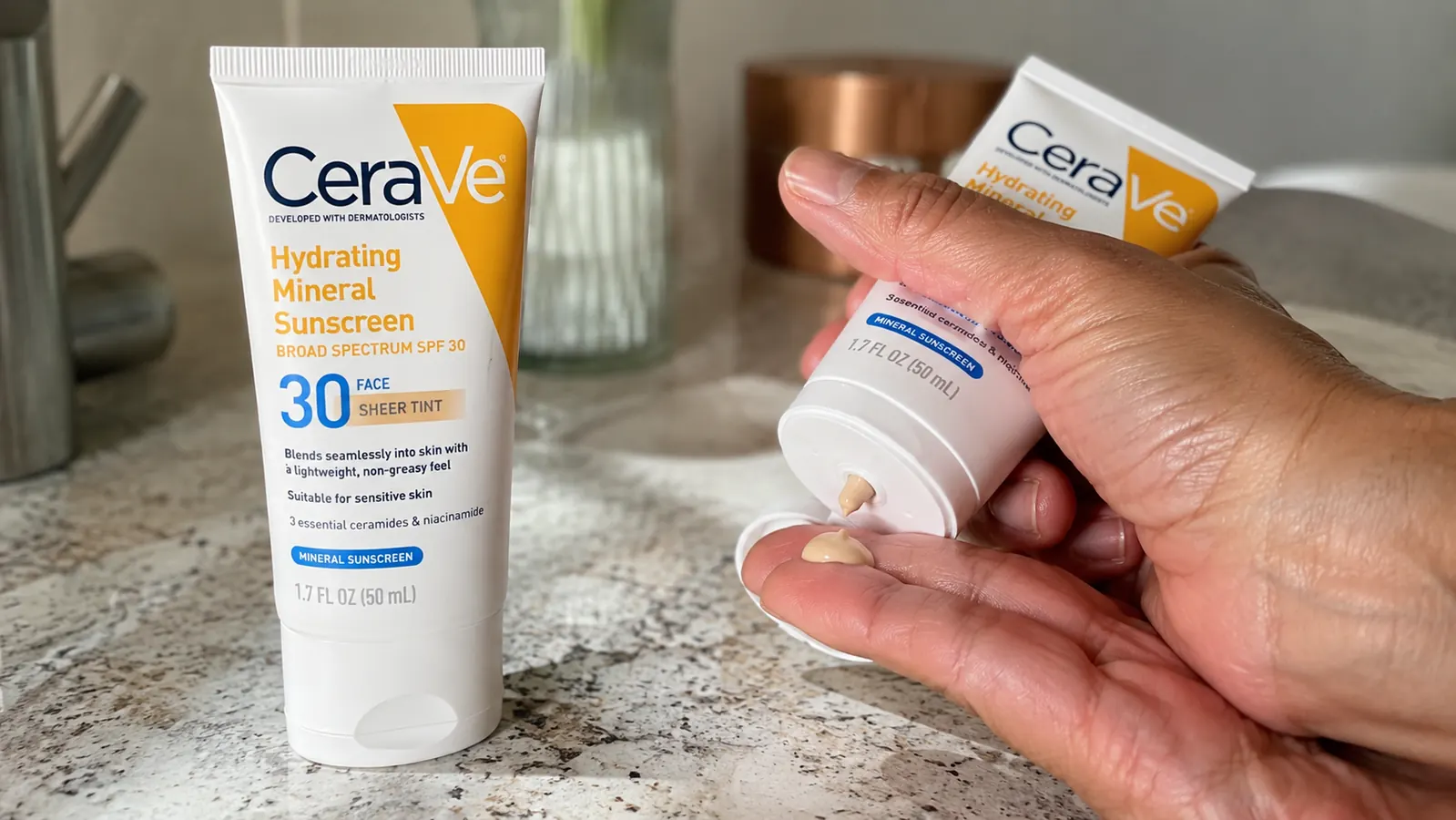
My routine is not complicated. Every morning after I wash my face and let a light moisturizer sink in, I squeeze out a nickel-sized dot of the CeraVe Hydrating Mineral Sunscreen, warm it between my fingers for a few seconds, and pat it into my face, ears, and the top of my neck. Some mornings that's the whole routine. Other mornings my granddaughter Presley is climbing on the bathroom counter asking why Nana's face cream is orange, because the tint does have a faint peachy cast straight out of the tube.
I reapply once, usually around 1pm, whenever I'm out in the yard or driving Presley to swim practice with the sun coming straight through the windshield. On the days I know I'll be outside longer, like church picnics or working in my raised garden beds, I'll reapply a third time in the late afternoon. Six months in, that's roughly 180 applications of the same CeraVe sunscreen, which is more real-world data than most reviews you'll find.
I also tested this CeraVe formula under makeup, without makeup, over a vitamin C serum, and on bare, freshly moisturized skin. It behaved the same way every time, which told me the zinc oxide and titanium dioxide base isn't fussy about what it's layered with. That consistency mattered more to me than any single glowing morning, because at 51 I've learned that one good day with a product doesn't mean much.
I even kept it in my gym bag for two weeks straight to see if heat and humidity would break it down or make it slide. It held up fine through sweaty mornings at the Y, though I did have to blot my forehead once with a tissue rather than wipe, since wiping pulled some of the tint off in one small streak. I also packed it for a beach week in Tybee Island in June, applying it before breakfast and reapplying by the water around noon, and it never once left that tell-tale gray film I've gotten from other mineral sunscreens after a swim.
The Mineral Formula and Why It Matters After 40
CeraVe built this sunscreen on zinc oxide and titanium dioxide instead of the chemical filters you'll find in most drugstore SPF, and that distinction is bigger than marketing. Mineral filters sit on top of the skin and physically deflect UV rays. Chemical filters absorb into the skin and convert UV into heat. After 40, when skin is already thinner and more prone to visible redness, that heat conversion step is exactly what tends to trigger stinging, itching, or the blotchy warmth a lot of my old salon clients used to complain about.
I have rosacea-prone skin along my cheeks and jawline, the kind that flares if I so much as think about a spicy meal. Chemical sunscreens have burned me, sometimes literally, for years. This CeraVe formula never once caused that stinging sensation, not in month one and not in month six. That alone was worth the switch, and it's the exact reason I started recommending CeraVe's mineral line to clients back when I still had a chair and a mirror.
CeraVe also built in three ceramides and hyaluronic acid, the same ingredients they lean on across their whole moisturizer line. On my normal-to-dry skin, that meant I could skip a separate moisturizer some mornings and just let the CeraVe sunscreen do double duty. If your skin runs oily by 9am, you may still want a lighter moisturizer underneath, but for my dry, 50-something skin it was one less step in a routine I was already trying to simplify.
Six Months of Daily Wear: What Actually Changed
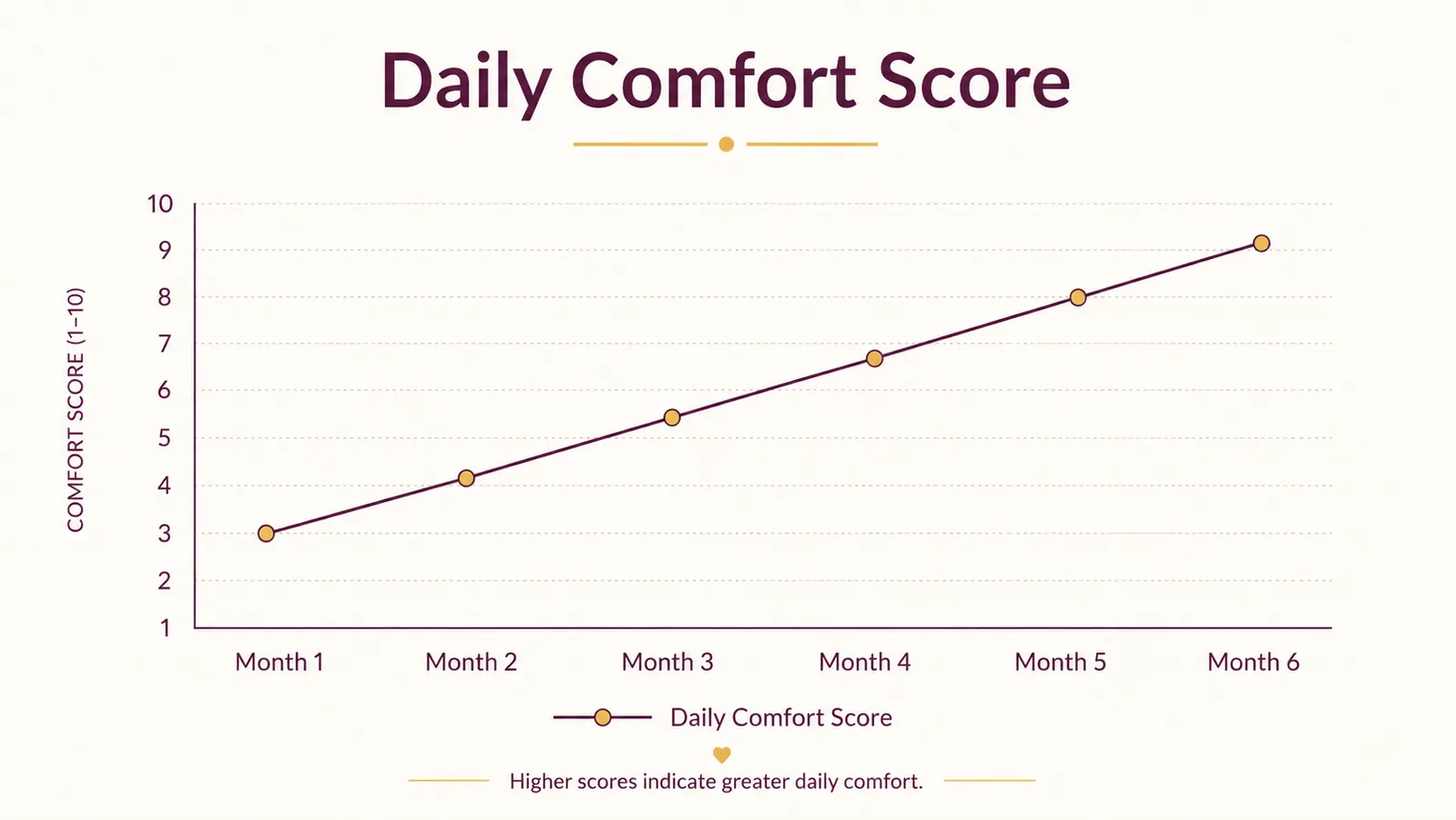
I'm not going to tell you CeraVe erased that spot on my cheekbone, because sunscreen doesn't work that way and anyone who tells you otherwise is selling something. What I can tell you is that spot has not gotten darker, has not grown, and no new ones have shown up next to it in the six months since I started daily mineral protection. My dermatologist, Dr. Okafor, confirmed at my July skin check that it looks stable, and told me to keep doing exactly what I'm doing.
The more noticeable change was texture. By month three, the fine, dry patches I used to get across my forehead in the Georgia heat had calmed down. I credit that partly to the hyaluronic acid in the CeraVe formula and partly to just showing up every single day instead of skipping sunscreen on cloudy or busy mornings, which used to be most of them.
The tint also grew on me in a way I didn't expect. Around week two I noticed I wasn't reaching for my regular tinted moisturizer at all some days, because the sheer tint in the CeraVe formula was doing enough of that job on its own. It's not full coverage, and it won't hide a breakout, but it evens out the kind of dullness that creeps in after 50, and by month four Wayne actually told me I looked rested, which is not a word my husband uses lightly.
The Tint, the Texture, and the White Cast Question
The number one question I got from clients back in my salon days about mineral sunscreen was always the same: does it leave that chalky white cast? With CeraVe's Hydrating Mineral Sunscreen, on my medium, olive-leaning skin tone, the answer was no. The sheer tint is genuinely doing its job here, and it blends in within about 15 seconds of patting it in.
I did test it on my mother-in-law, Carol, who's much fairer than I am, and on her it left a very faint cast for the first minute before settling in. Nothing dramatic, but I'll be honest about it because a good review names the tradeoffs. If you're on the very fair or very deep end of the skin tone range, do a patch test on your jawline before you commit your whole face to CeraVe's single universal tint.
Texture-wise, this leans more lotion than the thick, paste-like mineral sunscreens I remember from a decade ago. It sinks in within a couple of minutes and doesn't leave that greasy sheen that used to make me avoid mineral formulas altogether. Under makeup, it created a smooth enough base that my foundation didn't pill or slide by noon, which was a real concern of mine going in, especially with the Georgia humidity working against me most of the year.
What I Compared It To
Before settling on CeraVe, I tried a chemical SPF 50 from a well-known drugstore brand for about three weeks. It felt lighter going on, but it stung the corners of my eyes almost every time I sweat even a little, and twice it triggered a full rosacea flare across my cheeks that took days to calm down. I also tried a pricier mineral sunscreen from a specialty skincare line that performed almost identically to CeraVe in terms of comfort and protection, but cost considerably more for a smaller tube, with no meaningful difference I could feel or see.
That gap is the whole reason I've now bought three tubes of CeraVe instead of rationing the expensive one. Sunscreen only works if you actually use enough of it, generously, every single day. A product I'm willing to slather on without doing math in my head beats a fancier one I'm secretly stretching to make it last, and CeraVe has never once made me feel like I needed to skimp to make a tube stretch through the month. My friend Janice tried the same expensive brand alongside me for a month and came back to CeraVe within two weeks, for exactly the same reason.

The Tradeoffs Nobody Mentions
SPF 30 is solid, but if you're someone who spends real hours outdoors, gardening, hiking, or working a booth at a farmer's market like Janice does every Saturday, you'll want to reapply more often than the label technically requires. I found once every three to four hours was the sweet spot with the CeraVe formula for staying protected without feeling like I was piling on layers.
The tint also only comes in one universal shade. It works beautifully across a range of medium tones, mine included, but it is not a shade-matched foundation replacement, and CeraVe doesn't offer a tint-free version of this exact formula if you want zero color payoff at all. And because it's a 1.7 ounce tube, heavy daily users covering face, neck, and chest will go through the CeraVe tube faster than a giant pump-bottle body sunscreen, so budget for reordering every couple of months rather than treating one tube as a whole summer's supply.
What I Liked
- Real zinc oxide and titanium dioxide mineral protection, gentle enough for rosacea-prone skin
- Sheer tint blends into medium skin tones with no chalky white cast
- Ceramides and hyaluronic acid double as light daily moisturizer
- Wears comfortably under makeup for a full workday
- Priced low enough to actually reapply without guilt
Where It Falls Short
- May leave a faint temporary cast on very fair skin tones
- SPF 30 means more frequent reapplication for long outdoor days
- Single universal tint, no shade range or tint-free version in this formula
- Small 1.7 oz tube means frequent reordering for daily face and neck use
Sunscreen only works if you actually use enough of it, generously, every single day. This is the first one that's made me want to.
Who This Is For
If you're over 40, dealing with early sunspots, redness, or skin that reacts badly to chemical sunscreens, CeraVe's Hydrating Mineral Sunscreen is worth a real trial. It's also a smart fit if you want a daily face SPF that skips a separate moisturizer step, or if you've been putting off sun protection because past mineral formulas left you looking ghostly. Six months in, this is the CeraVe tube sitting on my bathroom counter, not tucked in a drawer somewhere behind the hairspray, and it's what I've told every one of my old salon clients to buy when they ask.
Who Should Skip It
If you have very fair skin and want zero risk of any initial cast, or if you're heading into hours of direct sun and need a dedicated SPF 50 sport formula, CeraVe's SPF 30 mineral tint may not be your only sunscreen. And if you specifically want a shade-matched tint that replaces your foundation entirely, look elsewhere. For everyday face protection on normal to dry, reactive, over-40 skin, it's hard to beat what CeraVe put together here.
My cheekbone spot hasn't moved in six months. Yours doesn't have to either.
Grab the same CeraVe Hydrating Mineral Sunscreen SPF 30 I've now bought three times and see current pricing on Amazon.
Amazon Check Today's Price on Amazon →